What would have to change for growth to improve?
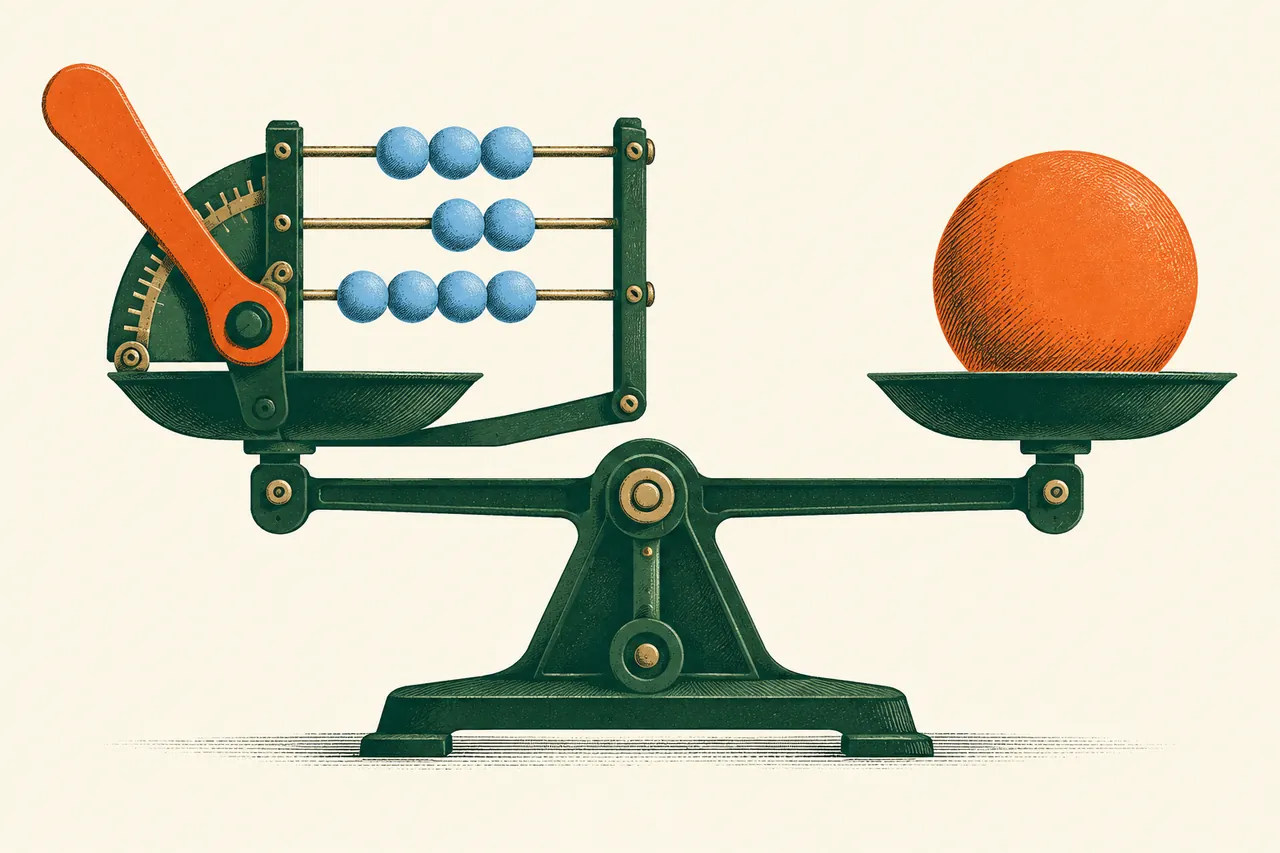
A useful growth model connects customer behavior to business results. Make the arithmetic reconcile, then test which assumptions the outcome depends on.
Strategy, retention, and the business of product
Start with the change you want in the business, then work back to the customer behavior that could produce it. These guides connect discovery and growth models to decisions about referrals, incentives, sales assistance, and where to invest.
Make the arithmetic and the customer behavior agree before projecting growth.
Separate evidence of a customer problem from confidence in your proposed solution.
Compare growth bets by contribution, cost, and unresolved assumptions.
A useful growth model connects customer behavior to business results. Make the arithmetic reconcile, then test which assumptions the outcome depends on.
A credible opportunity connects a recurring customer problem to behavior you can change. Separate evidence of the need from evidence that your proposed solution will work.
Acquisition, retention, and monetization compete for the same scarce capacity. Compare their likely contribution, full cost, and unresolved assumptions before committing.
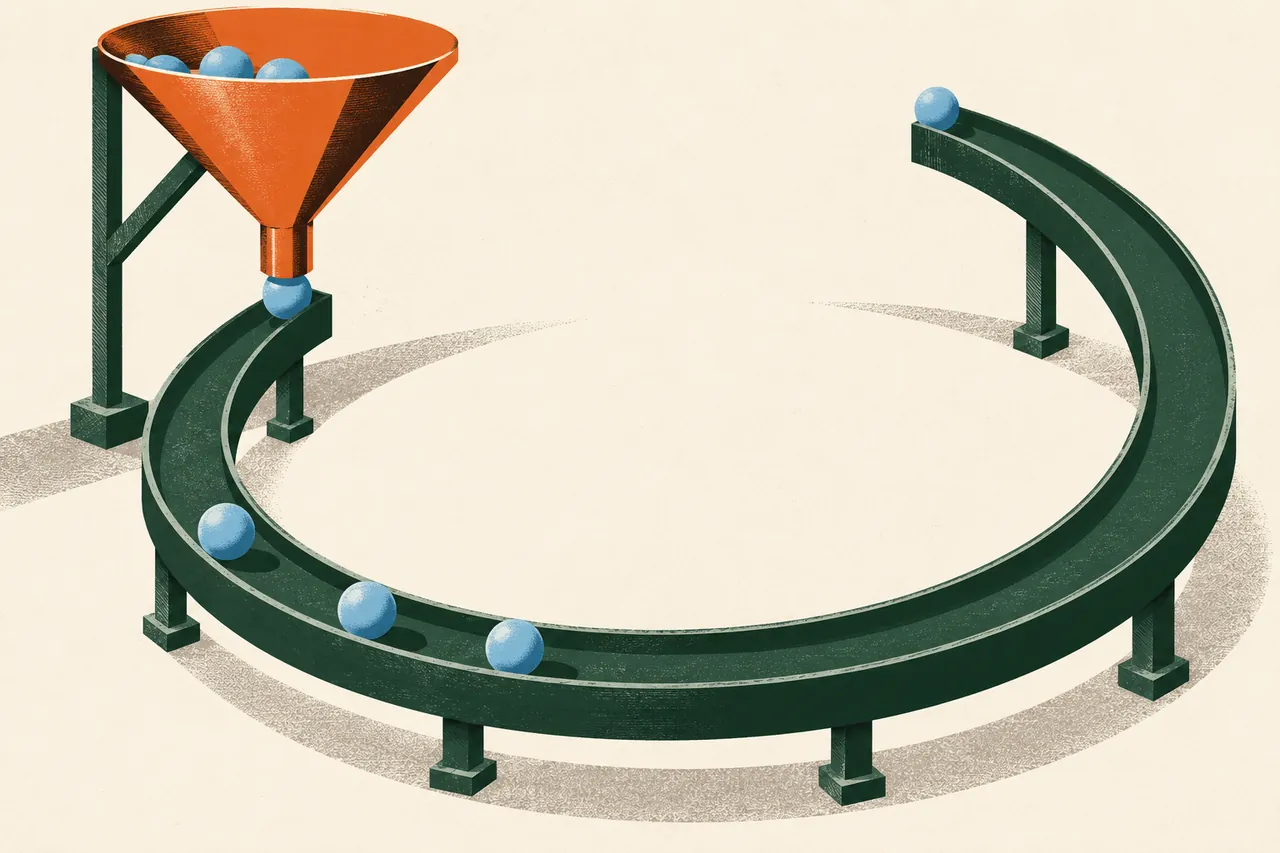
A funnel shows where people drop out. A loop needs a measurable return path, a reason to repeat, and enough yield to matter. Work through the mechanism before drawing the circle.
Choose the action that earns a referral reward, track pending and reversed qualifications, and measure reward expense against customers who actually qualify.
Follow marketplace incentives through first orders, repeat demand and contribution. Learn what a cohort comparison can show and where shared supply limits causal claims.
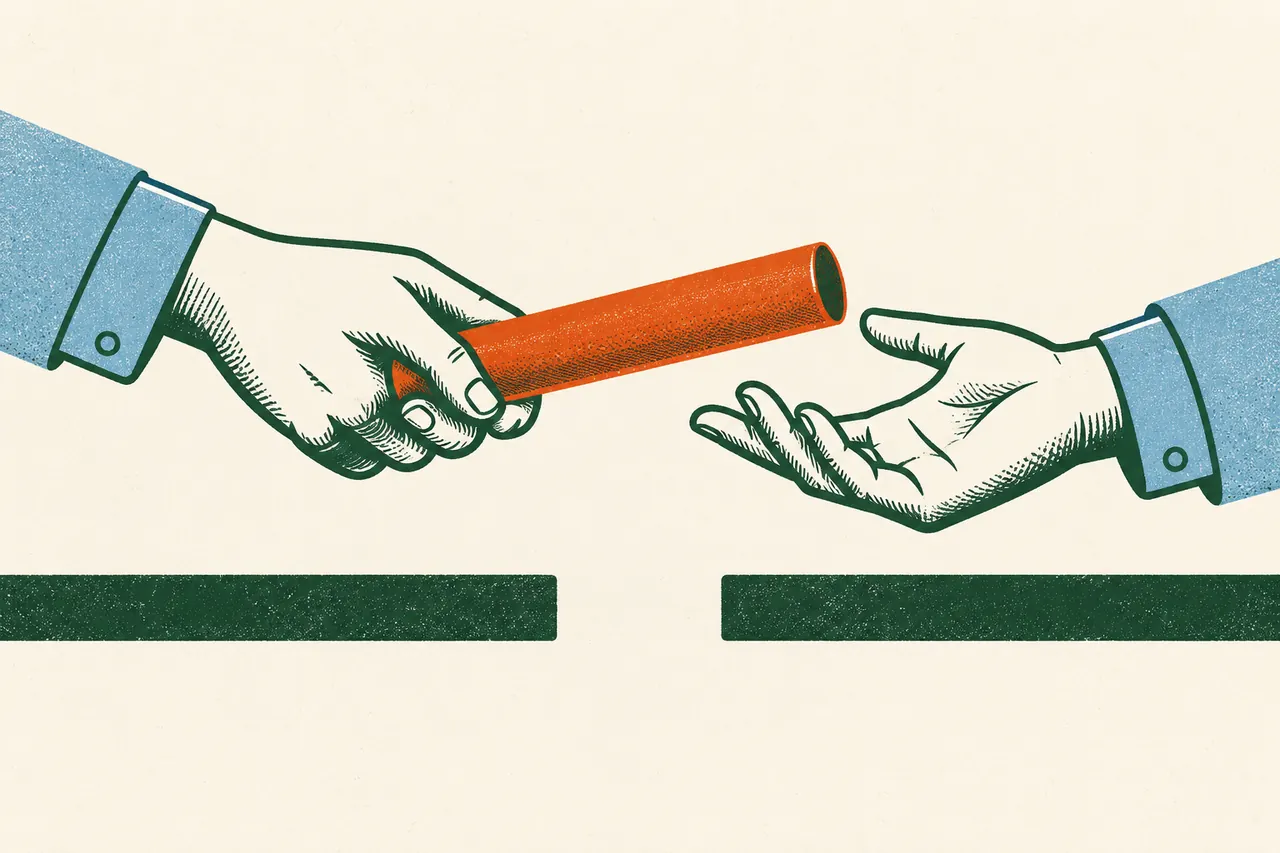
Product usage can show value without showing a need for sales. Route customers around the obstacle a person can resolve, and preserve the option to buy independently.