In this article
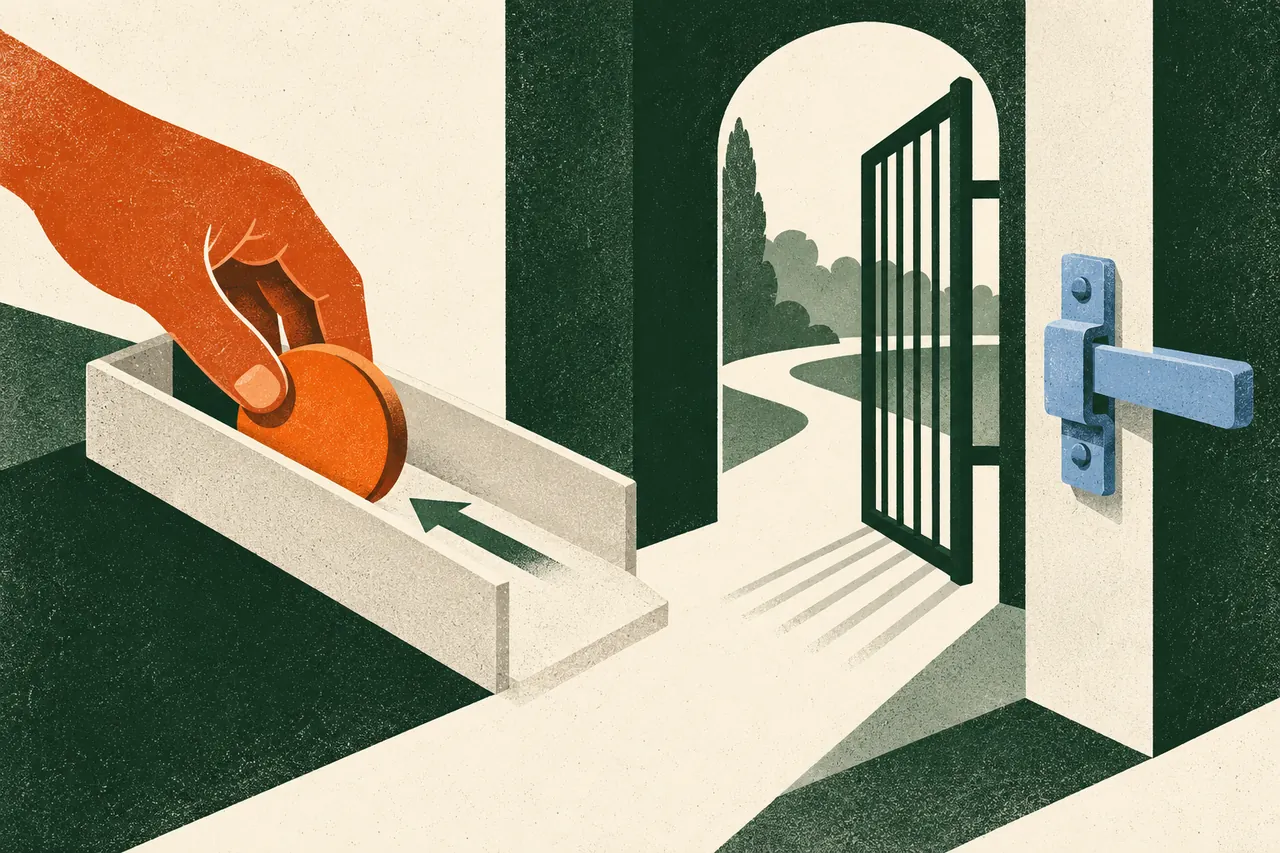
An established customer’s renewal fails, and your product immediately treats them like a former customer. The billing system may still be trying to collect, while the customer has lost the very service they would pay to keep. Paddle’s provisioning guidance recommends preserving access for past-due subscriptions and directing automatically billed customers to update their payment method. The product decision is therefore larger than a retry schedule: decide what the customer can do while recovery is still possible, and what changes when it ends.
Separate collection from access
A failed payment describes an attempt to collect money. It does not, on its own, settle whether the subscription has ended, whether the customer intends to leave, or which features your application should permit.
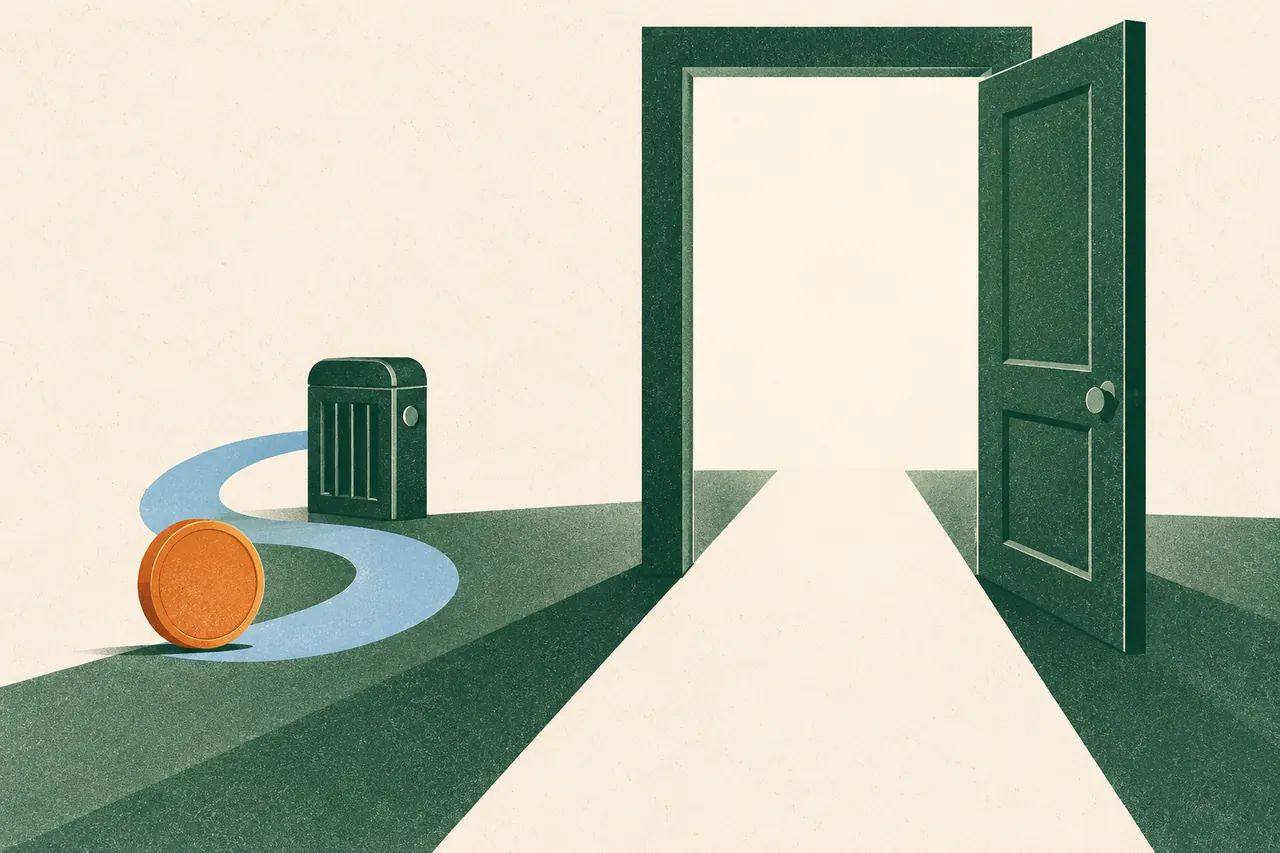
Treat the experience as a sequence with distinct states: payment failed, recovery underway, action needed from the customer, recovered, and recovery ended. Keep billing status alongside that sequence rather than replacing every state with a single “canceled” flag. The product should be able to explain both what happened and what the customer can do next.
That distinction matters even when a provider handles retries for you. Your team still owns the meaning of the grace period, the customer’s access to saved work, and the route back to ordinary use. An automatic retry is a collection mechanism; a recoverable customer experience is a product design.
Two billing systems expose different choices
Documentation checked October 15, 2026. These are published behaviors, not the settings of a particular merchant account.
| Decision | Stripe Billing | Paddle Billing with Retain |
|---|---|---|
| What recovery covers here | Failed subscription and invoice payments; eligibility depends on payment method and failure | Failed renewals on existing subscriptions; initial checkout failures are excluded |
| Who determines retry timing | Smart Retries within configured limits, or a custom schedule | Retain determines retry timing; the dunning window can be configured |
| What the customer may need to do | Supply a new payment method for a non-retryable decline | Update payment details through the recovery journey |
| What ends the recovery experience | Final subscription behavior follows settings | The dunning window and configured end behavior determine the next state |
Sources: Stripe retry documentation and Paddle recovery documentation.
Do not turn a provider’s published default into your own customer promise. Paddle’s description explicitly notes that its expanded retry cadence does not apply to every configuration. Stripe offers multiple outcomes after recovery fails. The useful promise is the one your actual configuration and application enforce together.
Make the recovery action fix the right problem
A payment-update screen can look successful while the next attempt still uses the old method. Stripe documents this specific failure: when a subscription has its own default payment method, changing only the customer’s default does not replace it. The retry continues using the subscription default.
For the product team, the requirement is simple: the recovery action must update the payment method the next collection attempt will actually use. The screen should then distinguish saving that method from successfully paying the outstanding invoice. Those are different events, and a confirmation message should describe the one that occurred.
Give the customer a route to help when the offered action cannot resolve the problem. Repeating the same instruction after a new failure makes a technical distinction feel like an impossible task. A customer who has already updated their details should not have to infer whether the update was lost, rejected, or awaiting another attempt.
Define access during the grace period
Paddle’s published integration pattern keeps access during past_due, shows a banner for automatically collected subscriptions, and treats paused or canceled states differently. For manually collected subscriptions, the customer needs to pay the overdue invoice; Paddle does not automatically retry or cancel those subscriptions. Its guidance makes collection mode part of the decision.
Use that pattern as a prompt to write your own access policy. Specify what remains available during recovery, when any restriction begins, and how the person can still reach billing or support. If the product limits new work, decide separately what happens to existing work and exports. A restriction that also blocks the recovery action creates a problem the customer cannot solve.
Describe the policy in terms a customer can recognize. “You can keep using your workspace while we resolve this payment” is a different promise from “Your account remains active.” The first names the experience; the second may merely repeat an internal status.
Close the loop when payment succeeds
Recovery is unfinished if the invoice is paid but the product remains restricted. Stripe’s subscription webhook guidance connects billing events to provisioning decisions. Paddle also warns that webhook notifications can repeat or arrive out of order and recommends reconciliation between provider state and the application’s stored state.
The product acceptance test should follow the entire journey: a renewal fails, the correct person sees the recovery action, payment succeeds, restrictions are removed, and reminders stop. Then run the alternative path in which recovery ends. Check that the displayed access deadline, actual access, and next available action agree.
Measure this as a recovery journey, with the same failed-renewal cohort followed to a defined endpoint. Separate money collected from customers who resumed useful activity. A successful charge answers the billing question; the next meaningful use tells the product team whether it restored the relationship it was trying to preserve.
Sources
Something we should clarify?
Suggest a correction